Table of Contents
Introduction
Open source has been a cornerstone of innovation in software for decades, and 2025 marks a pivotal year as open source AI projects accelerate at a breathtaking pace. Democratizing access to AI technology fosters collaboration, transparency, and rapid advancement, empowering developers, researchers, and businesses worldwide to push the boundaries of what AI can achieve.
This article explores the top open source AI innovations to watch in 2025, highlighting key projects, community contributions, and how open source models are shaping the future.
Evolution of Open Source AI
The AI landscape has evolved from proprietary dominance to a healthy ecosystem where open source competing or complementary projects flourish. Starting with early frameworks like TensorFlow and PyTorch, the rise of open source AI models has unlocked possibilities for customization, transparency, and widespread adoption.
In 2025, open source AI extends beyond frameworks into fully functional large language models, generative art tools, and specialized domain applications, supported by robust community ecosystems.
Key Open Source AI Projects in 2025
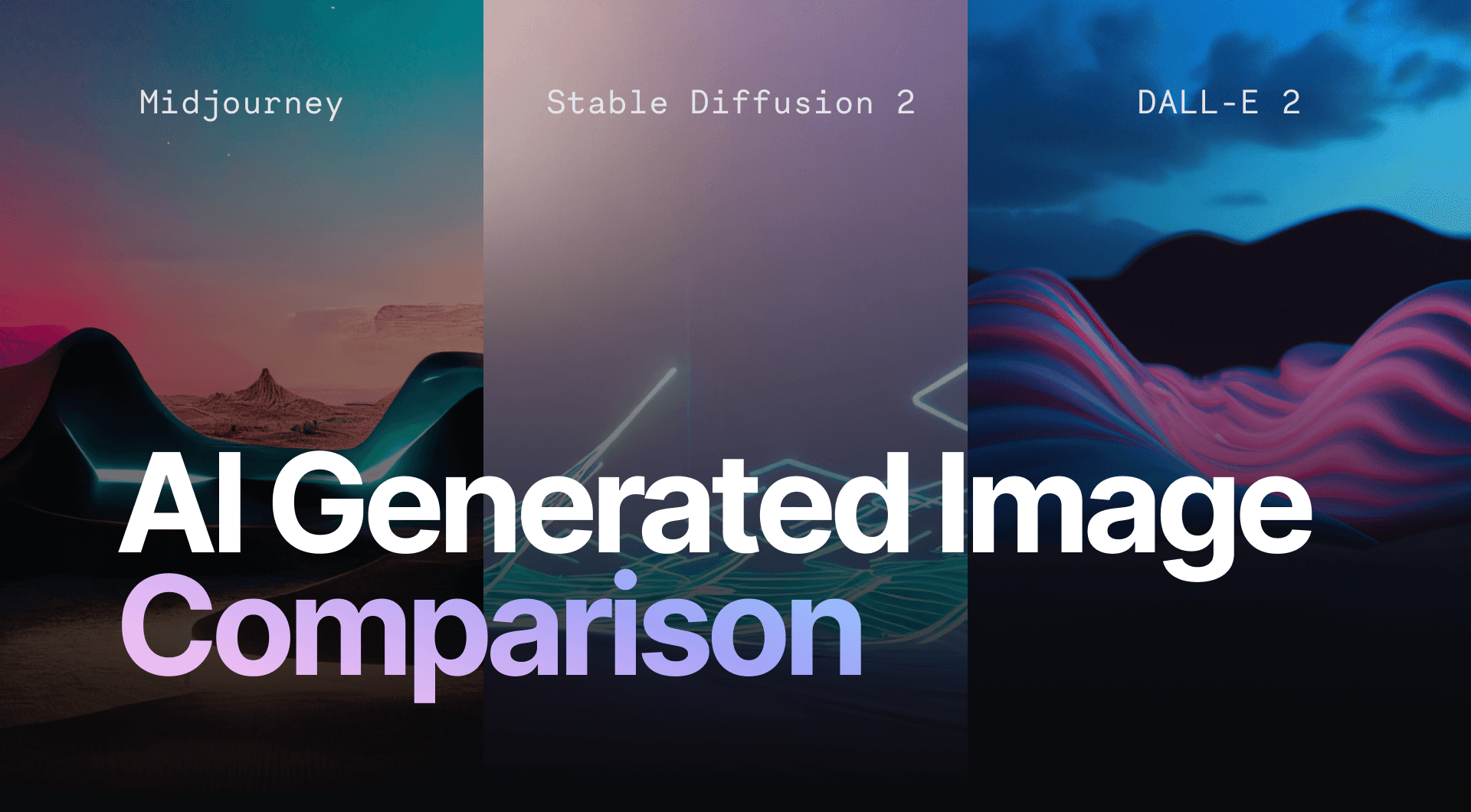
- Stable Diffusion: A leading open source generative image model that enables users to generate stunning artwork locally or via cloud, empowering creativity with full control.
- DeepSeek R1: An emerging open source AI assistant emphasizing transparency, modularity, and community-driven improvements, positioned as a challenger to proprietary giants.
- Bloom and OPT: Large language models released with open weights, allowing research and development of customized NLP applications.
- Hugging Face Transformers: Continues to lead an extensive catalog of open source models and tools, powering millions of AI applications worldwide.
- OpenAI's Open Source Contributions: While OpenAI has proprietary models, it actively releases open source tools and research that spur ecosystem growth.
Community-Driven Impact
The power of open source AI lies in its communities. Developers collaborate across continents, sharing datasets, improving architectures, developing tools, and ensuring AI safety and fairness through community oversight.
Platforms like GitHub, Hugging Face, and Discord foster vibrant ecosystems, accelerating model improvement cycles and democratizing knowledge previously reserved for large organizations.
Advantages of Open Source AI
- Transparency: Full visibility into model architecture, training data, and behavior.
- Customization: Freedom to fine-tune and adapt models for specific needs.
- Cost Efficiency: Avoid costly licensing fees and vendor lock-in.
- Privacy: Option to run models locally, enhancing data security.
- Rapid Innovation: Collective contributions speed up advancements more than isolated proprietary development.
Challenges and Considerations
Despite many benefits, open source AI also faces challenges:
- Quality Control: Varying model quality and lack of consistent support can be hurdles.
- Computational Demand: Running large models locally requires significant hardware resources.
- Ethical Oversight: Community moderation is critical to avoid misuse but remains decentralized.
- Fragmentation: Proliferation of forks and versions can confuse users.
Future Outlook for Open Source AI
The future of AI is undoubtedly intertwined with open source principles. As hardware becomes more accessible and research collaboration deepens, expect continued acceleration in open source AI innovations.
Collaborations between academia, industry, and communities will foster new breakthroughs, with open source models increasingly competing with and complementing proprietary alternatives in performance and features.
Final Thoughts
Open source AI is transforming the AI field by lowering barriers and expanding innovation opportunities. In 2025, following these projects and community efforts offers a front-row seat to witness and contribute to the technology reshaping our world.
Whether you are a developer, researcher, or business leader, understanding and engaging with open source AI innovations will keep you at the cutting edge of AI technology.